
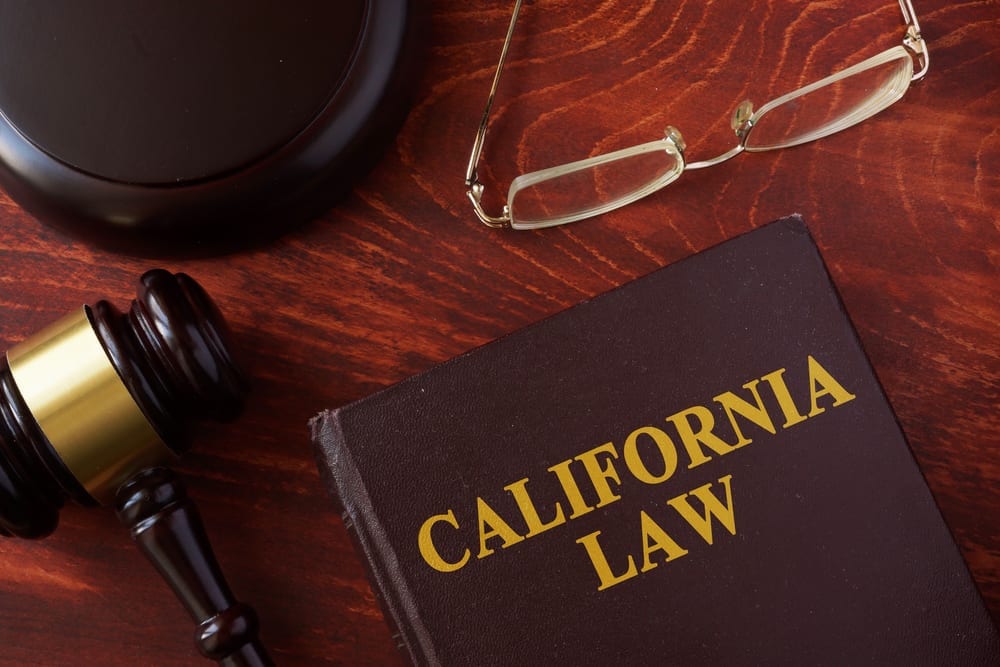
These days, there are more divorces than ever before in the United States. Every state has its own laws regarding the grounds or reasons for divorce. California is no exception and has clear rules that determine what allows people to dissolve their marriage.
California is a no-fault state, which means that when a person files for divorce, they cannot state any wrongdoing by their spouse as the reason for wanting to end the marriage. Generally, most spouses cite irreconcilable differences as the reason for the split. Still, there are a few situations in which one may establish “grounds” to dissolve a marriage if a person has a “permanent legal incapacity to make decisions.”
What Are Grounds for Ending a Marriage in California?
California married couples can end their marriage in the following ways:
- Legal separation
- Annulment
- Dissolution or Divorce
Within these separate actions, there are different underlying grounds for each action depending on the situation. Each ground for divorce has specific requirements and different results. Of course, every case is different, but no matter which grounds a person seeks, they must file with the court and receive a judgment to end the marriage legally. There may also be separate proceedings if the union included children, both biological and adopted. Property division may also occur in these separate proceedings.
What Are Irreconcilable Differences in California?
The term “irreconcilable differences” relates to ending a marriage in no-fault states or when the court will not consider whether either party is at fault for the dissolution of the marriage. One or both spouses can use this as the reason for wanting a divorce. The court generally accepts this as a legitimate reason for ending the marriage.
What Defines Permanent Legal Incapacity?
Another legitimate ground for divorce is permanent legal incapacity. To successfully establish this ground, the petitioning spouse must prove the condition of the other spouse, typically in the form of testimony by a medical or psychiatric professional. The individual with the incapacity must also be incapacitated at the time the other spouse files the petition for the dissolution of marriage.
Grounds for Annulment in California
In California, there are specific requirements for getting an annulment to void a marriage. They include but are not limited to the following:
- The spouses are close blood relatives
- One party was not of sound mind when they entered the union
- The filing spouse was under 18 years old
- The marriage was fraudulent
- One party is already married or in a domestic partnership
An annulment essentially means that it is as though the marriage never took place. If children resulted from the union, the court can require a paternity test to determine visitation rights and child support. Property is not an issue after a finding of annulment.
What Are Residency Requirements for Divorce?
Couples seeking a divorce in California must also meet strict residency requirements. They include the following:
- Both spouses must have lived in the state for a minimum of six months prior to filing; and,
- Both parties must have lived in the county where the divorce is filed for at least three months prior to filing.
If you’re unsure of how to file for divorce properly, contact a Riverside divorce lawyer. An experienced professional will give you the best legal advice and assist you in filing for divorce.
Frequently Asked Questions About Grounds for Divorce
What are the legal grounds for divorce in California?
California recognizes two grounds for divorce: irreconcilable differences, which is used in the vast majority of cases, and permanent legal incapacity to make decisions.
What’s the difference between divorce, legal separation, and annulment?
Divorce legally ends a marriage, legal separation allows spouses to live apart and divide finances without ending the marriage, and annulment treats the marriage as if it never legally existed.
What are common grounds for annulment in California?
Grounds for annulment include the spouses being close blood relatives, one party not being of sound mind when they married, the filing spouse being under 18, marriage by fraud, or one party already being married to someone else.
What are California’s residency requirements for filing for divorce?
At least one spouse must have lived in California for a minimum of six months and in the county where the divorce is filed for at least three months before filing.
Do I need to prove my spouse did something wrong to get divorced?
No. Because California is a no-fault state, you don’t need to prove wrongdoing by your spouse to obtain a divorce.
Experienced Family Law Attorneys
We understand that divorce is a complicated process made more turbulent by a range of difficult emotions. A family law attorney in Riverside, CA, practices 100% Family Law. We have helped hundreds of families throughout Riverside and San Bernardino counties protect themselves and plan after divorce. Our attorneys have served on the Legislative Committee for the Inland Empire for the Family Law Section of the California Lawyers Association. Call 951-684-9000 for a consultation.